
Tax Treaties in Japan: Students, Trainees and Teachers
If you came to Japan to study, train or teach, a tax treaty may exempt some of your pay from Japanese income tax. What counts is the treaty between Japan and the country where you lived before coming. Each treaty sets its own conditions, and not every treaty covers all three groups.
To use it, you fill in a treaty form (Form 8) for each payer and give it to the payer early. The payer must file it with its tax office by the day before your first payment after you arrive. If you are late, tax is withheld, but you can claim the exempt part back through the payer.
What these treaty articles can do

A tax treaty can exempt some of the pay that students, business trainees and teachers receive during a temporary stay in Japan. Japan has many tax treaties, and not every one covers all three groups. The National Tax Agency (NTA) tells you to check each treaty.
Depending on the treaty, the exemption can cover payments from abroad for your living costs, study or training. It can also cover grants, scholarships and pay for work in Japan. For teachers, it covers pay for teaching or research.
In the NTA's examples, a student article covers a student who is, or was just before coming, a resident of the other country. The claim process is the same whether Japan treats you as a resident or a non-resident for tax.
| Group | Who counts | What you attach to Form 8 |
|---|---|---|
| Students | Students at formal schools under Japan's School Education Act, such as elementary to high schools, universities and colleges of technology | A certificate of enrollment from your school |
| Business trainees (apprentices) | Trainees in a company's apprentice program, or people trained at a vocational training institution in Japan | A certificate from the place where you train |
| Teachers and researchers | People who teach or do research at those formal schools | No certificate is listed. The form asks about your duties and position. |
Students at Japanese-language schools and other schools outside the formal system (senshu gakko or kakushu gakko) do not count. The same form also covers some people in Japan on study or research grants.
Students and trainees: part-time pay depends on your treaty
A student article does not automatically cover pay from a part-time job in Japan. Some treaties exempt only payments from abroad for your living costs and study. Under those treaties, your part-time pay in Japan is not exempt.

Other treaties can also exempt part-time pay, within limits, for example on your period of stay or income. If your pay is not exempt, your employer withholds tax under the normal rules.
If your treaty has an amount limit and you have two or more employers, the exemption cannot be applied when you are paid. Tax is withheld, and you claim it back afterward with a refund claim (Form 11).
Teachers and researchers: check the school and the time limit
The teacher exemption on the NTA's form is for teaching or research at formal schools, not at private language schools (eikaiwa). Eikaiwa teachers can see our guide for English teachers.

Some treaties limit the teacher exemption to a stay of no more than two years. Under that wording, the NTA counts the length of your stay, not of your contract. If you plan a longer stay from the start, the exemption does not apply.
If you planned two years or less and later extend, the exemption covers your pay for the period until the longer stay becomes clear. This can be, for example, the day your contract is extended. Pay for the period after that is taxed as salary.
Some other treaties instead count a set period from your arrival, and some have no teacher article.
How to claim: Form 8 through your payer
You claim the exemption through the school or company that pays you, not at the tax office (zeimusho) yourself. Form 8 has English headings next to the Japanese.
- 1. Find your article. Look up your country's treaty on the Ministry of Finance list, which links to the texts. Read any amending protocol too.
- 2. Fill in Form 8. Make a separate form for each payer.
- 3. Attach your documents. Students and trainees attach the certificate in the table above. If a limitation on benefits article in your treaty covers this income, you generally also attach Form 17 and a certificate of residence.
- 4. Give it to your payer early. The payer must file it by the day before your first payment after you arrive. On paper, you give two copies.
- 5. The payer files it. The payer sends it to its tax office and does not withhold tax on the exempt pay.
If the details on the form change, the payer must file an updated form by the day before your next payment. The tax office may ask for more documents.
For Taiwan, Japan applies a separate law instead of a treaty. For students and business trainees, it covers only payments from abroad, using its own Form 6. It has no teacher exemption.
Resident tax (juminzei) is separate. If your treaty also covers it, you generally send a notification with the same details to your city or ward office. The deadline is March 15 of the year after you earned the pay. Use the office for where you lived on January 1 of that year. See our resident tax guide.
Missed the deadline? Claiming the tax back
If you give the form late, the payer withholds tax at the normal rate, but you can claim the exempt part back. You give the payer a refund claim (Form 11) with Form 8. The payer certifies the payment details and files both with its tax office.
The right to the refund ends five years after the withheld tax was paid. For example, Ken comes to Japan to teach at a university from April 2027. His pay is ¥400,000 a month. He gives the university Form 8 only after his second payday.
| Payment | Pay | Tax withheld |
|---|---|---|
| April, before the form: ¥400,000 × 20.42% | ¥400,000 | ¥81,680 |
| May, before the form: ¥400,000 × 20.42% | ¥400,000 | ¥81,680 |
| June onward, after the form | ¥400,000 a month | ¥0 |
| May be refunded through Form 11: ¥81,680 × 2 | ¥163,360 |
This is only an estimate. It assumes Ken is a non-resident for Japanese tax and his treaty's teacher article covers this pay, with its conditions met. Japan withholds 20.42% from pay to non-residents for work in Japan. If a treaty exempts the income tax, the surtax in that rate is not charged either.
For a resident, the payroll tables set the amount withheld, but the refund claim works the same way.
Common mistakes
- Assuming every student is exempt. Treaties differ, and a Japanese-language school does not count.
- Giving the form after the first payday. Tax is then withheld, and you must claim it back.
- Using one form for all payers. Each payer needs its own form.
What you can do yourself, and where you need help
You can take the basic steps yourself:
- Find your country's treaty and read its student, trainee or teacher article.
- Fill in Form 8 for each payer, attach your certificate, and give it to your payer well before your first payday.
- Check your pay slips for tax withheld from exempt pay, and keep copies of everything.
Get help with treaty limits, two or more payers, an extended stay, or other income that needs a final tax return (kakutei shinkoku).
What changes when a tax accountant handles it
Komatsu CPA & Tax Accounting Office helps individuals only, with Japanese tax only, and offers no calls. Our service runs by email in written English. Once you engage us, we:
- Confirm your tax status, and which of your payments the treaty exempts.
- Prepare and sign your return when you need one, for example when you have other income.
- Send you an English summary, and file after you approve it.
Treaty forms go through your payer, and we do not handle a school's or company's payroll.
Frequently asked questions
I study at a Japanese-language school. Can I use a student article?
Not by that fact alone. The NTA says students at Japanese-language schools and other schools outside the formal system are not covered by student or trainee articles. Your part-time pay is then taxed under the normal rules for residents or non-residents.
I teach at an English conversation school. Does a teacher article apply?
Not through Form 8. The NTA's form covers teaching or research at formal schools under the School Education Act, such as universities and high schools. A private language school is not one of them.
Does the treaty also exempt me from resident tax?
Only if your treaty also covers resident tax (juminzei), and you claim it separately. You generally send a notification to your city or ward office by March 15 of the year after you earned the pay. Students and trainees attach the same certificate.
I gave the form late. Is the withheld tax lost?
Not necessarily. If your treaty covers that pay, you can claim the tax back through the same payer with Form 11 and Form 8. The right to the refund ends five years after the withheld tax was paid.
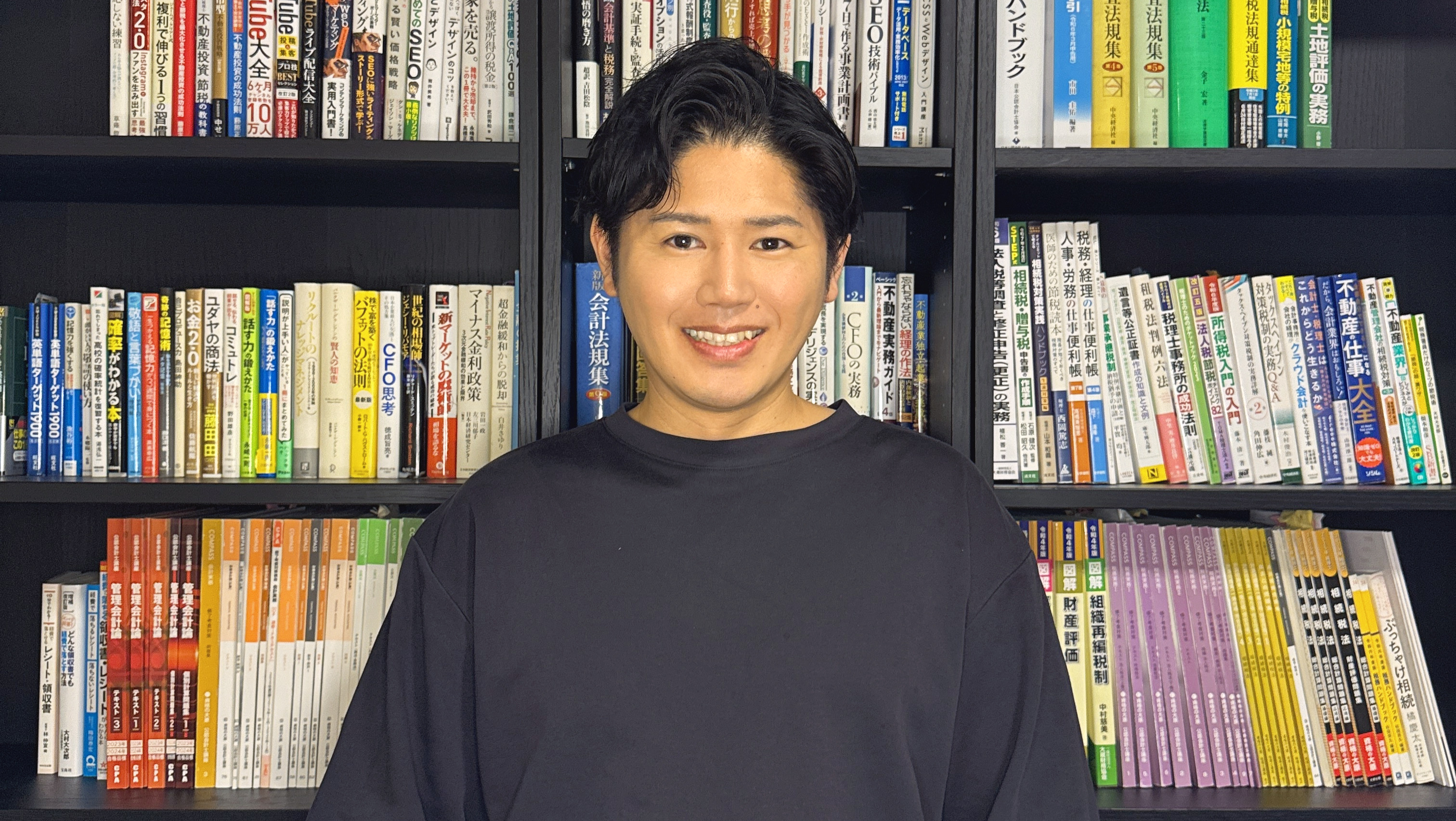
Studying or teaching in Japan and need a tax return?
Yuma Komatsu is a Japanese CPA and licensed tax accountant. We prepare, sign and file your return. We work by email in written English. Our tax accountant does not speak English, and we do not offer calls.
Sources
- NTA: Application Form for Income Tax Convention, etc. (Form 8, Form 11, Form 17 and the Taiwan forms)
- NTA: Instructions for Form 8 (Japanese and English)
- NTA No.12006: Tax on the income of a non-resident, including tax treaties and the 20.42% withholding
- NTA procedure A3-11 (in Japanese): Form 8 for professors, students and business apprentices
- NTA procedure A3-14 (in Japanese): refund claim (Form 11) and the five-year limit
- NTA Tax Answer No.2888 and No.2889 (in Japanese): treaty forms, late forms and refund claims
- NTA Tax Answer No.2884 (in Japanese): withholding rates for non-residents
- NTA leaflet (in Japanese): withholding from January 2027
- NTA Q&A (in Japanese): students at Japanese-language schools, students' part-time pay, and the two-year limit for teachers (1, 2)
- NTA (in Japanese): the separate law for Taiwan
- Ministry of Finance: The List of Japan's Tax Conventions
- Ministerial Ordinance for the Act on Special Provisions for Tax Conventions, Articles 7, 8 and 11; School Education Act, Article 1 (Japanese)
This article is general information based on rules in force as of November 23, 2026. It is not advice for your situation.